Enhance Your Editorial Design with Forest Wood Font
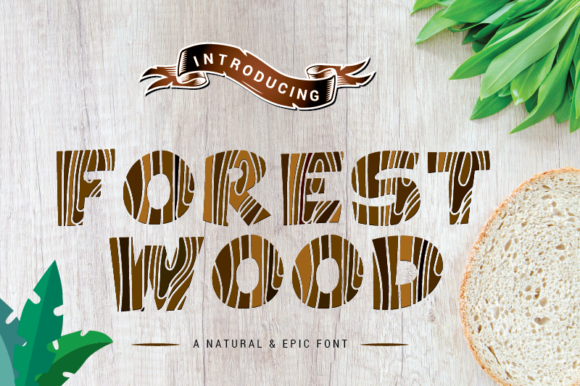
As a content creator, the right font can make or break your publication's visual appeal and readability. Forest Wood, a unique and exquisite display font, is designed to become a true favorite for those who value both form and function in their editorial projects.
The Visual Appeal of Forest Wood
Forest Wood stands out with its classy dingbats influences, yet it feels contemporary and fresh. This blend of classic and modern elements makes it a versatile choice for a wide range of editorial designs. Its elegant and slightly whimsical style adds a touch of sophistication and personality to any project.
Using Forest Wood in Blog Headers and Magazine Covers
For bloggers and magazine designers, the first impression is crucial. Forest Wood can be an excellent choice for blog headers and magazine covers. Its distinctive style grabs attention and sets the tone for the content that follows. Whether you're creating a lifestyle blog, a digital magazine, or a niche publication, Forest Wood can help establish a strong and memorable brand identity.
Perfect for Ebook Titles and Newsletter Graphics
Ebook creators and newsletter writers can also benefit from the visual impact of Forest Wood. Use it for ebook titles to create a premium and professional look. In newsletters, incorporate Forest Wood into graphics and headings to add a touch of elegance and draw the reader's eye to key sections. This font can elevate the overall design and make your content more engaging.
Creating Quote Layouts and Chapter Openers
Quotes and chapter openers are essential for breaking up text and adding visual interest. Forest Wood is perfect for these elements. Its unique style makes quotes stand out and enhances the reading experience. For chapter openers, use Forest Wood to set a distinct and inviting tone, encouraging readers to delve deeper into the content.
Supporting Visual Hierarchy and Publication Identity
Visual hierarchy is critical in editorial design. Forest Wood can play a significant role in establishing this hierarchy. Use it for main titles, subtitles, and section headings to guide the reader's eye and create a clear structure. This not only improves readability but also reinforces the publication's identity and consistency.
Readability Considerations for Screen and Print
While Forest Wood is a display font, it's important to consider its readability across different formats. For screen reading and mobile layouts, ensure the font size is large enough to be legible. For PDF exports and print, test the font at various sizes to ensure it remains clear and appealing. This attention to detail will enhance the overall user experience.
Font Pairing for Editorial Use
To create a balanced and harmonious design, pair Forest Wood with complementary fonts. A readable serif font for body copy can provide a classic and elegant feel, while a clean sans serif font for captions and navigation can add a modern and minimalist touch. Experiment with different combinations to find the perfect match for your publication's style and tone.
Practical Note on Commercial Licensing
When using Forest Wood for commercial projects such as ebooks, templates, printables, paid newsletters, client publications, and digital downloads, it's important to check the licensing terms. Ensure you have the appropriate commercial license to use the font in your projects. This will protect your work and allow you to use the font without restrictions.
- Check included styles, alternates, ligatures, and weights: Explore the full range of features offered by Forest Wood to maximize its potential in your designs.
- Multilingual support: If your audience includes non-English speakers, verify that the font supports the necessary languages and characters.
In conclusion, Forest Wood is a versatile and visually appealing display font that can significantly enhance your editorial design. Whether you're working on a lifestyle blog, recipe ebook, wedding guide, coaching workbook, digital magazine, printable planner, or creator newsletter, this font can help you create a professional and engaging publication. By carefully considering its use in titles, subtitles, quote layouts, and other key elements, you can achieve a cohesive and impactful design that resonates with your audience.